
Interior Designing
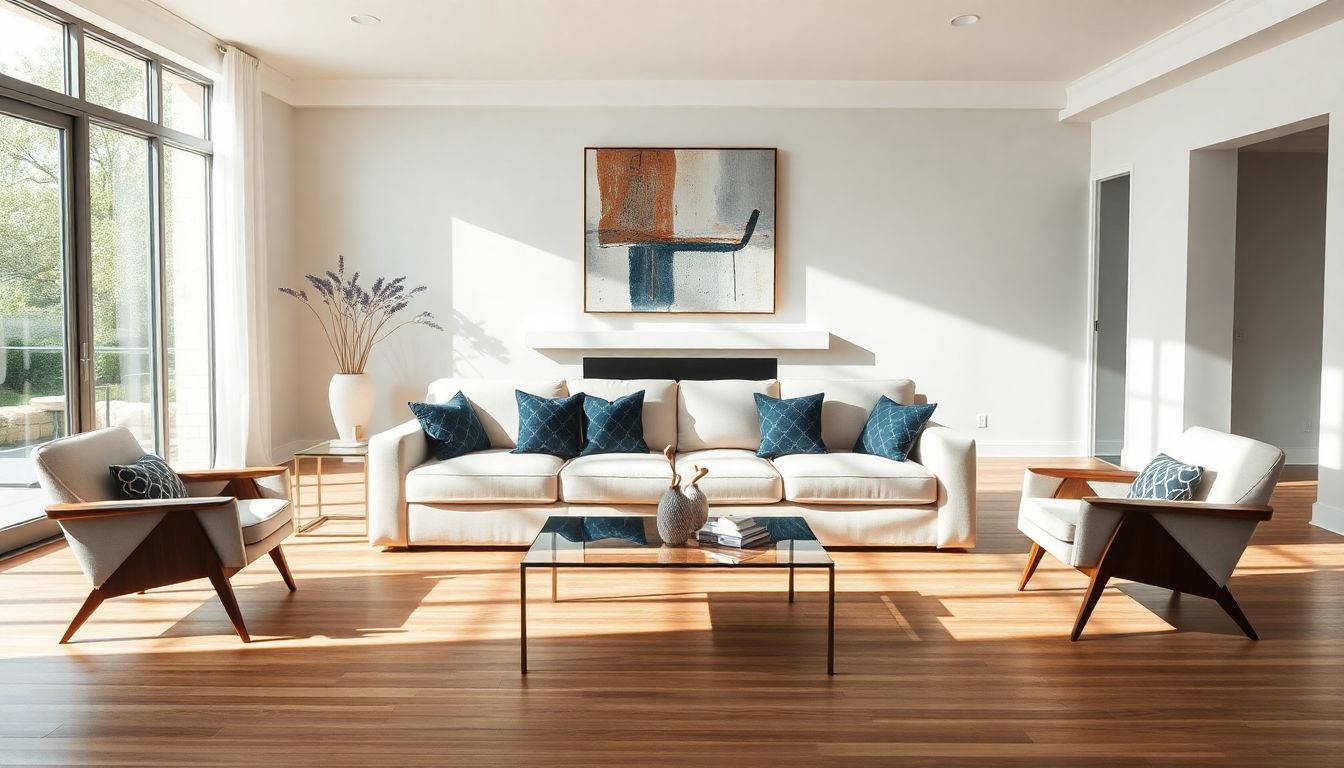
Interior Design: Creating Spaces You’ll Love
Knock, knock! Who’s there? Opportunity! An opportunity to transform your living space, from something drab to something fab. Interior design isn’t just about looking good. It is about crafting an environment that makes you feel good and shows who you are.
Whether you own a home or rent, understanding the basics of interior design can open up a world of ideas. Forget boring, same-old spaces. It’s time to use design to create a home that you love.
Let’s jump into the world of interior design. Discover how to create spaces you’ll absolutely adore.
Understanding the Core Principles of Interior Design
Good interior design has some building blocks. These principles are key to making a space work. Let’s check them out.
Space Planning and Layout
How you use the space is important. Think about how you move through a room. Plan it for how you live.
Measure your rooms. Decide where furniture should go. Create zones for different activities. A before-and-after floor plan can really show what’s possible. Imagine turning a cramped living room into an open, airy space just by rearranging things.
Color Theory and Psychology
Colors affect your mood. Choosing the right colors for a room is essential. Warm colors can make a space feel cozy. Cool colors can make it feel calm.
Complementary colors add pop. Use color to make a room interesting. Ever notice how a blue bedroom feels more relaxing than a red one?
Balance and Harmony
Balance makes a room feel right. Symmetry is one way to get this. It means mirroring items on each side. Asymmetry is another option. It uses different items to create balance. Radial balance focuses around a central point. These methods help make a pleasing space.
Defining Your Style and Vision
What do you like? What makes you happy? Figuring out your style is key to good interior design. Then you can translate those ideas into a design plan.
Identifying Your Personal Style
There are many design styles. Modern is sleek and simple. Minimalist is even more bare-bones. Bohemian is colorful and free-spirited. Traditional is classic and elegant. Take a quiz to find your style. Or look at magazines for ideas.
Creating a Mood Board
A mood board is a collection of ideas. It uses images, colors, and textures. It can include anything that inspires you.
This helps you see your style come together. It’s a visual plan for your space. Think of it as a collage of your dream room!
Setting a Budget and Timeline
How much can you spend? How long will it take? Setting a budget is very important for interior design. So is setting a timeline.
Look for ways to save money. Maybe you can do some projects yourself. A realistic budget keeps your project on track.
Choosing the Right Furniture and Accessories
Furniture and accessories add style to a room. They also need to be useful. Find items that look good and work well for you.
Selecting Furniture Pieces
Size matters when you are picking furniture. Style is also important. Comfort and durability are key too. Look for quality furniture at prices you can afford. A comfy couch is always a good place to start.
Accessorizing Your Space
Accessories add personality. Art, lighting, and textiles make a room feel complete. Decorative objects show off your style. Plants can clean the air and add color.
The Importance of Lighting
Lighting is very important. Ambient lighting fills the room. Task lighting helps you see when you work. Accent lighting highlights certain areas. Layering light makes a room feel inviting.
Maximizing Small Spaces
Small spaces can be tricky. But with some smart ideas, you can make the most of the room.
Multifunctional Furniture
Furniture that does more than one thing is great for small spaces. A sofa bed is a good choice. Storage ottomans are useful too. Folding tables save space.
Vertical Storage Solutions
Use the walls. Shelving units add storage. Wall-mounted cabinets free up floor space. Hanging organizers keep things tidy.
Decluttering and Organization
Get rid of things you don’t need. Keep your space organized. This makes a small room feel bigger. A clean, uncluttered room is a happy room.
DIY Interior Design Projects
DIY projects add a personal touch. They are also budget-friendly. Here are some simple ideas.
Repurposing and Upcycling
Turn old items into something new. An old ladder can become a bookshelf. Old jars can be vases.
Painting and Wall Treatments
Paint can change a room. Accent walls add interest. Wallpaper and stencils add style. A fresh coat of paint works wonders.
Creating Custom Artwork
Make your own art. Use canvas and paint. Try found objects. Simple DIY art makes a statement.
Maintaining and Updating Your Interior Design
Taking care of your space is important. Regular maintenance keeps it looking good. It can also mean seasonal updates.
Regular Cleaning and Upkeep
Clean your space often. Clean furniture, flooring, and surfaces. This keeps your home fresh. A little cleaning goes a long way.
Seasonal Updates and Refreshing Your Space
Change things up for the seasons. Swap out accessories. Change textiles. Try new colors.
Knowing When to Call a Professional
Sometimes you need help. Large projects can be hard. A professional designer can help with big renovations. Don’t be afraid to ask for assistance.
Conclusion: Your Dream Space Awaits
Creating a great living space is achievable. Learn the basics of design. Define your style. Use smart solutions.
Turn your home into a personal haven. Focus on function. Use your imagination. Have some fun! Your dream space is waiting, so start designing today!