Introduction to Cozy Living
What Makes a Home Feel Cozy?
Have you ever walked into someone’s home and immediately felt at peace? You can’t quite put your finger on it, but everything—from the soft lighting to the way the couch seems to hug you when you sit down—feels just right. That’s the essence of a cozy home. It’s not about having expensive furniture or the latest interior design trends. It’s about creating a space that feels safe, inviting, and uniquely you.
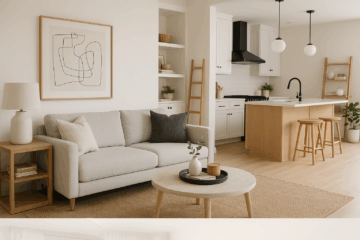
A cozy home appeals to the senses. It’s the scent of a vanilla candle burning in the corner, the sound of your favorite playlist humming softly in the background, and the softness of the throw blanket draped over your favorite chair. Comfort is more than just physical—it’s emotional too. Cozy homes tell a story. They show signs of life: a stack of books on the coffee table, framed family photos on the shelf, and a slightly worn-in armchair that’s clearly someone’s favorite spot.
Lighting plays a huge role, too. Overhead fluorescents are swapped for warm lamps, candles, or string lights. Hard lines are replaced with rounded edges and soft textures. There’s an intentional balance between function and atmosphere. In short, coziness is achieved when a space feels lived-in, not showroom-perfect.
It’s also worth noting that coziness is subjective. What’s comforting to one person may feel cluttered or overwhelming to another. That’s why your version of a cozy home should reflect your personality, your needs, and your definition of comfort. Whether that’s minimalist Scandinavian design or an eclectic boho vibe filled with plants and textures, your comfort is the only thing that matters.
Benefits of a Comfortable Living Space
Now that we know what makes a home cozy, let’s talk about why it matters. Beyond aesthetics, a comfortable living environment can deeply impact your mental, emotional, and even physical health.
For starters, your home is your sanctuary. It’s where you unwind after a long day, where you spend time with loved ones, and where you recharge. When your environment feels warm and welcoming, it naturally reduces stress. Think of it like a hug from your surroundings. You feel safe, secure, and supported. Studies have shown that a well-designed, comforting space can actually lower cortisol levels—the hormone responsible for stress.
On a more practical level, a cozy home makes everyday living easier and more enjoyable. It encourages you to slow down and be present. You’re more likely to enjoy that morning coffee, dive into a good book, or host a spontaneous get-together with friends. In other words, a cozy space invites meaningful moments.
Let’s not forget the health benefits, either. Soft furnishings like rugs, curtains, and cushions can improve acoustics, reducing noise levels that can otherwise be mentally exhausting. Strategic use of lighting can help regulate your sleep cycle by supporting your body’s natural rhythms. And creating a designated nook or reading corner can promote mindfulness and relaxation.
Comfortable spaces also foster deeper relationships. When your home is a place where people feel at ease, they tend to open up more. Conversations flow better, and connections deepen. That’s why cozy homes often become the go-to hangout spots for friends and family.
Lastly, designing a cozy home gives you a sense of control in an often chaotic world. Life is unpredictable, but your home doesn’t have to be. It can be your constant, your haven, your soft place to land. And isn’t that what we all crave at the end of the day?
Understanding Your Personal Comfort Sty
Identifying Your Comfort Aesthetic
Before you start throwing pillows on your sofa or buying scented candles in bulk, you need to get clear on your personal comfort style. Your home should be an extension of your personality—it should reflect what makes you feel at peace. That could be anything from minimalist and modern to rustic and full of vintage charm. The point is: comfort isn’t one-size-fits-all.
To discover your aesthetic, start by reflecting on places where you’ve felt most relaxed. Was it a cabin in the woods with lots of wood textures and soft lighting? A beach house with white linens and breezy curtains? Or maybe your grandma’s house, filled with handmade quilts and knickknacks? Take note of the colors, textures, and vibes that made those spaces memorable. That’s your blueprint.
Pinterest and Instagram can be goldmines for discovering what appeals to you, but don’t let trends dictate your comfort zone. Maybe everyone’s obsessed with monochrome, but you know you need splashes of color to feel alive. Embrace that. The goal isn’t to impress—it’s to exhale every time you walk in the door.
Also, don’t forget to think about function. Your comfort style should consider how you actually live. Got kids? Pets? Love entertaining? Your design choices should support your lifestyle while also elevating your sense of well-being. A cozy home is a lived-in one, not a museum.
And remember, comfort doesn’t always mean clutter. Some people find peace in minimalism—the simplicity, the clean lines, the calm that comes from having less. Others feel most at home when surrounded by layers of textiles, books, and trinkets. Neither is right or wrong. Your comfort aesthetic is all about what makes your shoulders drop and your soul sigh in contentment.
Blending Function with Style
Designing a cozy home isn’t just about what looks good—it’s about what feels good. That’s where functionality steps in. The most inviting homes are the ones where beauty and utility go hand in hand. You shouldn’t have to sacrifice comfort for style, or vice versa.
Start with the basics: how do you use each room? A living room that doubles as a workspace will need different furniture and layout considerations than one that’s used solely for movie nights. Think multifunctional pieces—like ottomans with storage, coffee tables with drawers, or sofas that convert into beds. These items serve more than one purpose, saving space while adding comfort.
Also, don’t be afraid to mix textures and materials. A sleek leather chair might look stunning but throw a chunky knit blanket over it, and suddenly it feels warmer. A metal shelf can feel cold—until you decorate it with woven baskets and soft lighting. That’s how you blend style and comfort: through thoughtful contrast and tactile layering.
One tip? Always test before you commit. Sit in the chair. Walk on the rug. Lie on the bed. Something can look incredible online or in a showroom but feel completely off in real life. Your senses are your best guide—trust them.
Function also includes emotional functionality. Do your surroundings support your well-being? Is there a corner where you can unwind? A dining space that invites conversation? Your home should support your routines, not work against them. When you blend functionality with your unique style, you create a home that serves you, so you don’t just live in it—you thrive in it.
Choosing the Right Color Palette
Warm vs Cool Tones for Comfort
Color plays a huge role in how cozy or cold your space feels. It’s more than just aesthetics—colors actually influence your mood, energy levels, and even your perception of temperature. Ever wonder why spas use soft earth tones and blues, while cafes go for warmer reds and browns? It’s all about emotional response.
Warm tones—like terracotta, mustard, rust, and peach—tend to create a feeling of warmth and intimacy. They work great in living rooms, dining spaces, or any area where you want to encourage conversation and connection. These colors bring in a sense of coziness, like being wrapped in a blanket of light.
Cool tones—such as blues, greens, and soft grays—can be incredibly calming. They’re perfect for bedrooms, bathrooms, and other spaces meant for rest. They help create a soothing, serene vibe that promotes relaxation. But go too cold, and your room might start to feel sterile or unwelcoming. That’s where texture and lighting come in to warm things up.
The trick is to balance your palette. If you love cool tones, add warmth through wood accents, gold hardware, or warm lighting. If you lean toward warm shades, use cooler hues to keep the room from feeling too heavy. Think of your color palette as a comfort recipe—you need the right mix of ingredients to make it truly satisfying.
And don’t be afraid to go dark! Deep navy, charcoal, and forest green can feel incredibly cozy when paired with plush fabrics and soft lighting. Just be mindful of space—darker colors can make small rooms feel tighter, so use them as accents or on one wall to avoid overwhelming the space.
Using Color Psychology to Influence Mood
Color psychology is real, and it’s a powerful tool when designing a cozy home. Each hue taps into different emotional responses, and understanding this can help you design rooms that feel just right.
Blue: Promotes calm and trust. Great for bedrooms and bathrooms.
Green: Represents balance and nature. Ideal for living areas and home offices.
Yellow: Brings warmth and happiness. Works well in kitchens and entryways.
Red: Stimulates energy and appetite. Use in dining areas or as an accent.
Purple: Adds a touch of luxury and creativity. Lovely in bedrooms or reading nooks.
Neutral tones: Cream, taupe, and beige offer a grounding effect and work well as base colors in any room.
Use these insights to enhance your space. Want a tranquil bedroom? Stick with blues, greens, and soft grays. Craving energy in your kitchen? A pop of yellow or orange can make all the difference. By using color intentionally, you can shape how your space feels—not just how it looks.
Conclusion: Embrace the Art of Cozy Living
Designing a cozy home is more than just arranging furniture or selecting the right color palette—it’s about creating a sanctuary that reflects your personality, supports your lifestyle, and nurtures your well-being. Throughout this guide, we’ve explored various elements that contribute to a comfortable living space, from understanding your personal comfort style to choosing the right textiles and lighting.
By identifying your comfort aesthetic, you can make intentional choices that resonate with your sense of peace and contentment. Blending function with style ensures that your home is not only beautiful but also practical and supportive of your daily routines. Selecting a color palette that aligns with your desired mood can transform the ambiance of your space, while thoughtful furniture arrangements and the incorporation of inviting textiles add layers of warmth and texture.
Remember, a cozy home is not defined by a specific design trend but by how it makes you feel. It’s a place where you can relax, recharge, and connect with yourself and others. As you embark on your journey to create a more comfortable living environment, consider the following steps:
Assess your current space: Identify areas that feel uninviting or lack comfort.
Define your comfort style: Reflect on colors, textures, and layouts that make you feel at ease.
Make incremental changes: Start with small adjustments, like adding a soft throw or rearranging furniture for better flow.
Personalize your space: Incorporate items that hold sentimental value or bring you joy.
Prioritize comfort: Choose furnishings and decor that prioritize your comfort and well-being.
By embracing these principles, you can transform your home into a haven that truly embodies the essence of cozy living.
0 Comments